What is shipping via container and how does it work?
Shipping via container has revolutionized global trade, becoming the backbone of the logistics industry. According to the World Shipping Council, around 90% of the world's trade is facilitated by shipping, with containers playing a crucial role in this process. The efficiency of this method enhances supply chain operations, as containers securely hold goods, reducing damage and theft during transit.
In recent years, container shipping has seen significant growth, with the global container transport market projected to reach $6.3 trillion by 2026. This signifies the importance of understanding how shipping via container works. The process involves several key stages, from loading cargo onto ships to transporting it across oceans and finally unloading at ports. Each step has its complexities and challenges, including fluctuating fuel prices and evolving regulations.
Successful container shipping depends on strong partnerships among shipping lines, terminals, and logistics providers. While the advancements in technology and logistics best practices improve efficiency, industry trends indicate that ongoing challenges must be addressed. Stakeholders must remain adaptable as global trade dynamics continue to shift. Understanding these nuances of shipping via container is essential for anyone involved in international trade.
What is Container Shipping?
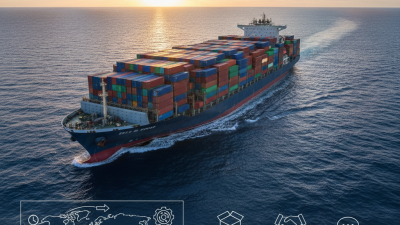
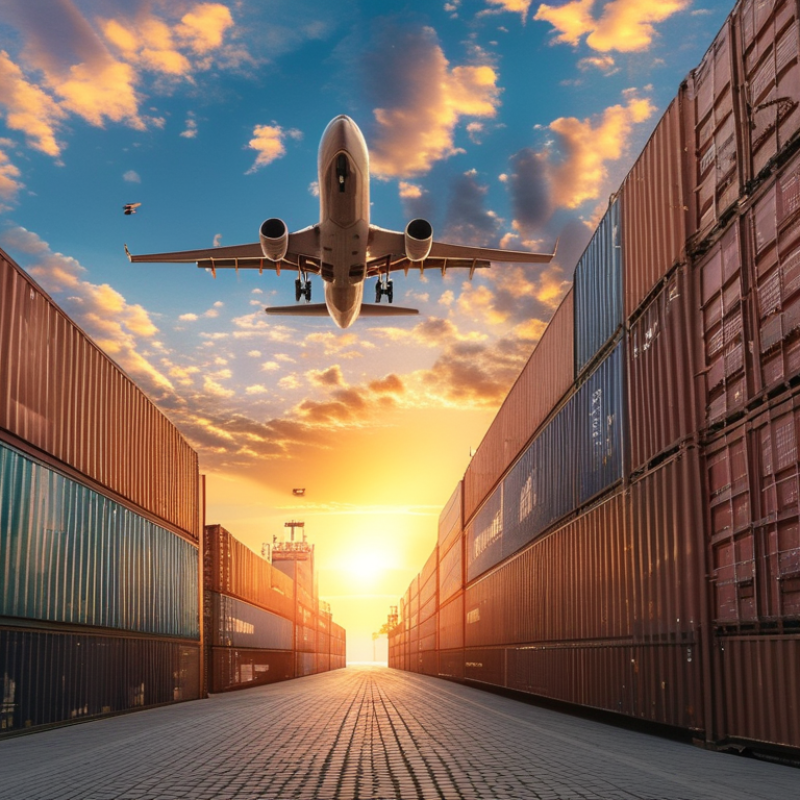
Container shipping is a vital component of global trade. It involves transporting goods in large containers on ships. This method offers a reliable and efficient way to move a variety of products around the world. Ships are designed to carry many containers, which can be loaded and unloaded quickly at ports. This efficiency leads to reduced costs and faster delivery times.
When utilizing container shipping, understanding the type of containers is crucial. There are standard containers, refrigerated containers, and specialized options for various cargo. Each serves a specific purpose depending on the goods being transported. Properly securing the cargo inside the container is essential to prevent damage during transit. This attention to detail can make a significant difference in protecting valuable items.
When planning a shipment, always consider your shipping partner's experience. A company with expertise in container shipping can navigate complex regulations and logistics. Additionally, ensure that your customs documentation is accurate. Mistakes can lead to significant delays. Regularly reviewing your shipping processes is key to improving efficiency. Even small changes can result in better outcomes in the long run.
The Evolution of Container Shipping and Its Impact on Trade
Container shipping has transformed global trade. This evolution began in the 1950s when standardized containers were introduced. Instead of loading cargo directly onto ships, goods are now packed into large containers. This change made loading and unloading faster and more efficient. Modern ports can handle thousands of containers daily. This boosts trade significantly.
The impact of container shipping on global markets is profound. It allows businesses to ship products worldwide at lower costs. Availability of affordable shipping has increased international competition. However, this growth also highlights issues like environmental concerns and over-reliance on global supply chains. Problems in one region can affect others. For example, delays in shipping containers can disrupt production lines and lead to shortages.
While container shipping has made trade easier, it’s not without challenges. Accidents, theft, and damage can occur. As trade rises, so do concerns about safety and security. Companies must innovate to address these issues. The shipping industry needs to invest in technology for better tracking and risk management. Continuous improvement is essential to ensure a reliable shipping process.
How Container Shipping Works: Key Steps in the Process
Container shipping is a vital process in global trade. It involves transporting goods in large metal containers that can be loaded onto ships, trucks, or trains. These containers come in standard sizes, allowing for efficient stacking and handling. Once the cargo is loaded, the container is sealed securely. This ensures the safety and integrity of the goods during transit.
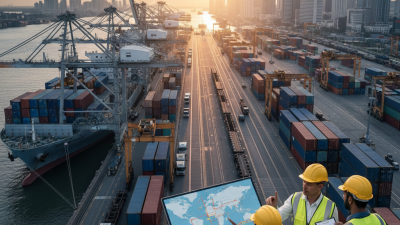
The process starts with cargo collection. Once goods are ready, they are transported to a shipping terminal. At the terminal, containers are loaded onto vessels for ocean transport. Specialized cranes are used for efficient loading and unloading. After reaching the destination port, the containers are again lifted off the ship and moved to another location. This could be another truck or a rail service for final delivery.
Challenges do arise in container shipping. Delays can happen due to weather conditions or port congestion. Miscommunication can lead to lost or delayed shipments. Security is a constant concern as well. Authorities must inspect containers for safety, which can slow the process. Each step requires coordination and careful planning to ensure everything runs smoothly. The need for reliability in shipping underscores the importance of continuous improvement in the industry.
Advantages of Using Container Shipping Over Traditional Methods
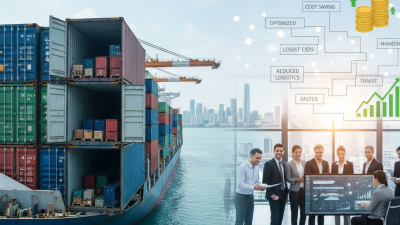
Shipping via container has become a vital method in global trade. It simplifies the logistics of transporting goods. Many businesses benefit from this system. Using containers increases efficiency. This method reduces costs and time. Traditional shipping often involves more manual handling. Containers, however, enable quicker loading and unloading.
There are significant advantages to container shipping. One major benefit is security. Containers protect goods from damage and theft during transit. Additionally, they offer a uniform size that simplifies stacking and storage. This standardization maximizes space utilization in ships and warehouses. Businesses find inventory management easier with standardized containers.
The reliability of container shipping is noteworthy. It allows for better scheduling. Most shipping lines provide precise arrival times. This helps companies better plan their operations. However, it is essential to be aware of potential delays due to port congestion or customs checks.
When using container shipping, consider these points. Ensure accurate labeling and documentation. This greatly aids in avoiding customs issues. Regular communication with your shipping partner can also help track your cargo effectively. Be prepared for occasional hiccups in the process and plan accordingly.
What is shipping via container and how does it work? - Advantages of Using Container Shipping Over Traditional Methods
| Aspect |
Container Shipping |
Traditional Shipping |
| Cost Efficiency |
Lower costs per unit due to bulk movement |
Higher costs due to less efficient packing |
| Security |
Cargo is sealed and less prone to theft |
More handling increases risk of loss/theft |
| Speed |
Efficient loading/unloading speeds up transit |
Longer loading times and more manual handling |
| Environmental Impact |
More fuel-efficient for bulk moving |
Higher emissions per unit |
| Flexibility |
Standardized containers ease intermodal transport |
Less flexibility in switching transport modes |
Challenges and Considerations in Container Shipping Operations
Container shipping plays a vital role in global trade. However, it faces numerous challenges that can hinder efficiency. Port congestion is a significant issue. Vessels often wait days to dock, leading to increased operational costs. Weather disruptions also impact schedules, causing delays in the supply chain.
Regulatory compliance adds another layer of complexity. Different countries have varying laws regarding container transport. Navigating these regulations requires expertise and can slow down operations. Moreover, securing cargo from theft and damage is paramount. Companies must invest in robust security measures to protect their goods.
One must also consider the environmental impact of container shipping. Emissions from ships contribute to climate change. More companies are seeking greener alternatives. However, transitioning can be costly and time-consuming. As the industry evolves, finding a balance between efficiency and sustainability remains a work in progress.
Container Shipping Operations: Challenges and Considerations