

Is Your Container Ready?

Get In Contact With Us Today

Is Your Container Ready?

Get In Contact With Us Today

How to Send Container Efficiently for Global Procurement?

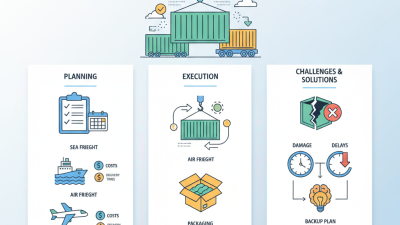
Efficient global procurement relies heavily on how to send containers. Shipping is a vital component. However, the process can be complex. It requires careful planning and execution. Companies face multiple challenges in logistics. Understanding these complexities can streamline operations.

The journey starts with the choice of shipping methods. Different containers suit various needs. For example, temperature-sensitive goods require refrigerated options. Selecting the right container can prevent costly losses. Additionally, timing plays a crucial role. Delays can disrupt supply chains significantly.

Despite technological advancements, issues still arise. Miscommunication and documentation errors can lead to complications. It's crucial to review each step in the process. Regularly evaluating your strategies can uncover potential improvements. Sending containers efficiently is not just about speed; it’s about smart planning and execution.
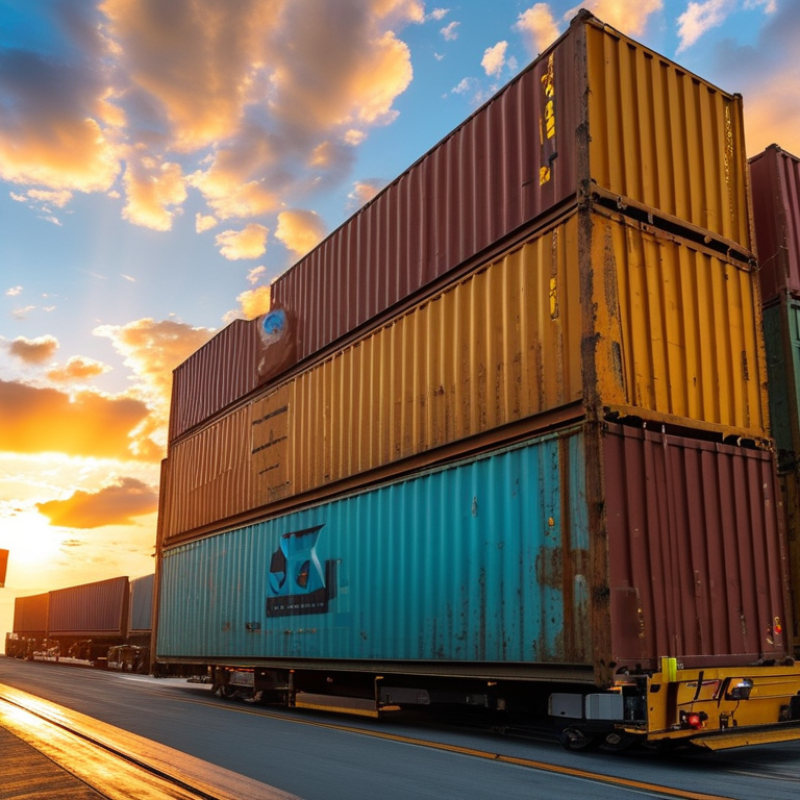
How to Send Container Efficiently for Global Procurement?

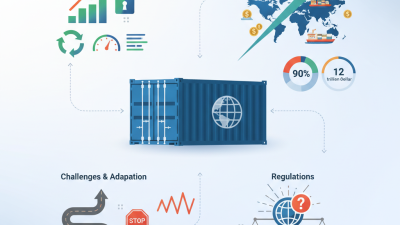
Understanding Global Procurement and Its Challenges

Global procurement involves sourcing goods and services on an international scale. It comes with unique challenges. According to a report from the Institute for Supply Management, more than 75% of businesses face disruptions in their supply chains due to geopolitical tensions. Companies often struggle to predict and manage these risks effectively.

Logistics is another hurdle in global procurement. The World Bank highlights that shipping costs have increased by over 200% since 2020. This affects decision-making, leading to higher prices for consumers. Inefficient container dispatch can further exacerbate these costs. Many businesses lack real-time data to optimize their shipping processes.

Sustainability also poses a challenge. A recent study found that 87% of global firms are now prioritizing sustainable practices. However, balancing sustainability with cost efficiency remains complex. Organizations must adapt and innovate, yet some may still rely on outdated methods. This can lead to missed opportunities in a rapidly changing market landscape.

Choosing the Right Container Type for Your Cargo Needs

Selecting the right container type for your cargo is crucial for efficient global procurement. The choice can greatly affect cost, safety, and delivery timelines. Flat-rack containers are suitable for oversized items. They allow for easy loading and unloading. However, they may expose cargo to the elements, which is a risk worth considering.


Standard containers, also known as dry containers, are the most common. They protect goods from weather damage but may not suit all items. For example, perishables need special containers with refrigeration. Opting for a reefer can safeguard these commodities effectively. Still, reefer containers can be pricier and require careful monitoring during transit.


Each type of container has pros and cons. Reflecting on your cargo's specific needs is essential. Cost may influence your choice, but it should never overshadow safety and compliance with regulations. Improvising container selection can lead to damaged goods and financial losses. It is vital to engage experts when uncertain. Their insights can help you avoid common pitfalls and ensure your cargo arrives safely and on time.

Optimizing Shipping Routes for Efficient Container Transportation

Optimizing shipping routes is crucial for efficient container transportation in today's global procurement landscape. According to a recent report by the International Maritime Organization, over 80% of global merchandise trade by volume moves by sea. Thus, the choice of shipping routes can significantly impact transit times and costs.

Utilizing data analytics can enhance route selection. By assessing historical shipping data, companies can identify patterns and optimize their routes. For example, using software algorithms to analyze port congestion and weather conditions often leads to improved delivery times. A study from McKinsey suggests that optimized shipping routes can decrease transit times by 10-15%. However, companies need to rethink their traditional routes. Relying on old practices often leads to inefficiencies.

Moreover, sustainability is a growing concern. A report from the World Economic Forum highlights that optimizing shipping routes can reduce carbon emissions by up to 20%. However, not all optimization strategies address environmental impact effectively. Some companies overlook the balance between efficiency and sustainability, potentially leading to greater long-term costs. Continuous reassessment of logistics strategies is key to remaining competitive in the market.

Ensuring Compliance with International Shipping Regulations

When engaging in global procurement, ensuring compliance with international shipping regulations is paramount. Many businesses overlook this aspect, which can lead to costly delays. Understanding the specific requirements for each country is essential. For instance, documentation requirements can vary significantly. This means being diligent about labeling, customs declarations, and certifications.

Another common issue arises from transportation regulations. Each mode of transport has its own set of rules. For example, maritime shipping involves regulation of container weight and hazardous materials. Failing to comply can result in penalties or even cargo being turned back. Regular training and updates for staff on changes in regulations can help mitigate risks.

Companies may also struggle with logistics providers unfamiliar with local requirements. It is advisable to vet logistics partners carefully. Check their track records and compliance history. This can save time and expenses. Sometimes, partnering with local experts can bridge the knowledge gap. Engaging with consultants can provide insights into navigating complex regulations effectively.

Maximizing Cost Efficiency in Global Container Shipping

Global container shipping can be a complex and expensive process. To maximize cost efficiency, understanding the logistics and strategic planning is essential. Efficient communication with suppliers and shipping partners is crucial. Establishing clear expectations can help to prevent delays and additional costs.

Here are some tips to consider while planning your container shipping. Choose the right shipping routes to minimize travel time and costs. Regularly review port fees and surcharges that could sneak into your budget. Additionally, consolidating shipments can significantly reduce expenses and improve logistics efficiency.

Another important aspect to consider is freight insurance. Many overlook this step, but it protects your investment against potential losses. The cost of insurance is often justified, especially when dealing with high-value goods. Reflect on your needs and future shipments to avoid potential gaps in coverage. Always analyze your spending and identify areas for improvement. Cost efficiency in global procurement is a continuous journey, not a one-time goal.

Call Now Button