Best Freight Container Options for Global Buyers Today?
In today’s global marketplace, choosing the right freight container is essential for international shipping efficiency. According to a report by Allied Market Research, the global freight container market is projected to reach $9.8 billion by 2026. This growth indicates a rising demand for effective transportation solutions among buyers worldwide.
Selecting a freight container involves understanding specific needs, such as size and durability. Many businesses rely on standard 20-foot or 40-foot containers, which are widely available. However, considering specialized containers, like refrigerated options, can enhance product preservation during transit. Each choice carries risks and benefits that require careful consideration.
Market fluctuations and supply chain challenges present additional concerns for buyers today. Limited container availability and rising freight costs can impact overall shipping strategies. By staying informed about industry trends and leveraging advanced logistics solutions, businesses can navigate these complexities more effectively. Ultimately, the right freight container option can significantly enhance operational success in global trade.
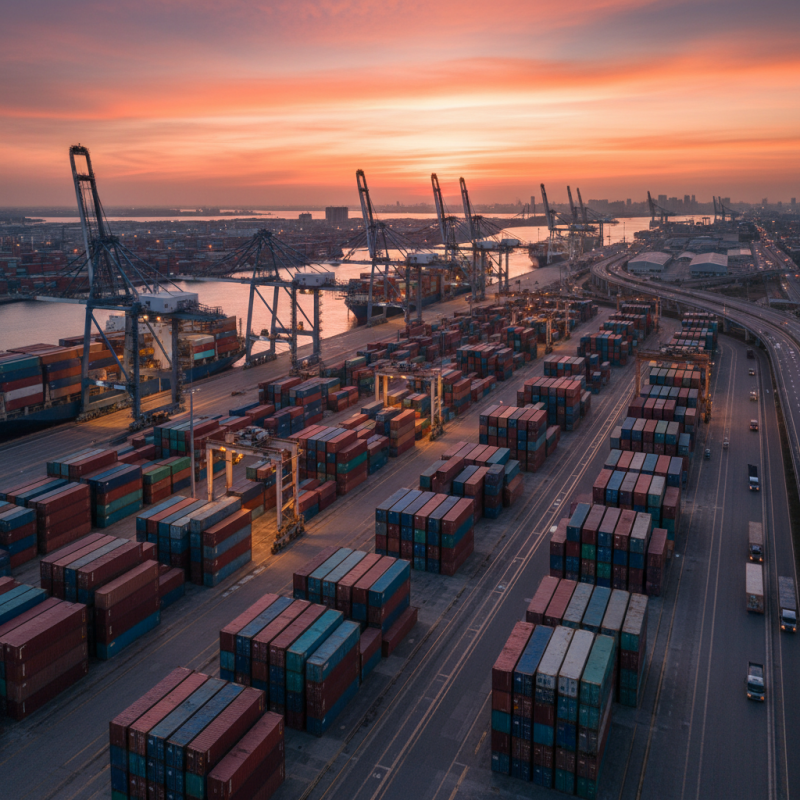
Top Types of Freight Containers for Global Shipping Needs
When exploring freight container options, understanding various types is crucial. The most common types include standard dry containers, refrigerated containers, and special purpose containers. According to industry reports, the global shipping container market is expected to grow significantly. In fact, it's projected to reach $8.1 billion by 2027, reflecting the increasing demand for efficient shipping solutions.
Standard dry containers are versatile. They are ideal for most cargo types, allowing for easy loading and unloading. Refrigerated containers, or reefers, maintain temperature-controlled environments. This is essential for perishable goods, especially in the food and pharmaceutical industries. Special purpose containers cater to unique shipping needs, such as flat racks for heavy machinery or tank containers for liquids.
**Tip:** Choose the right container type based on your cargo's specific needs. Consider factors like weight, dimensions, and temperature requirements.
While many buyers opt for new containers, consider the implications of using used ones. Used containers can be cost-effective, but inspecting for structural integrity is vital. A poorly maintained container can lead to cargo damage.
**Tip:** Always conduct thorough research on suppliers and container conditions before purchasing. Quality control is key in preventing future losses.
Best Freight Container Options for Global Buyers Today
Key Considerations When Selecting Freight Containers
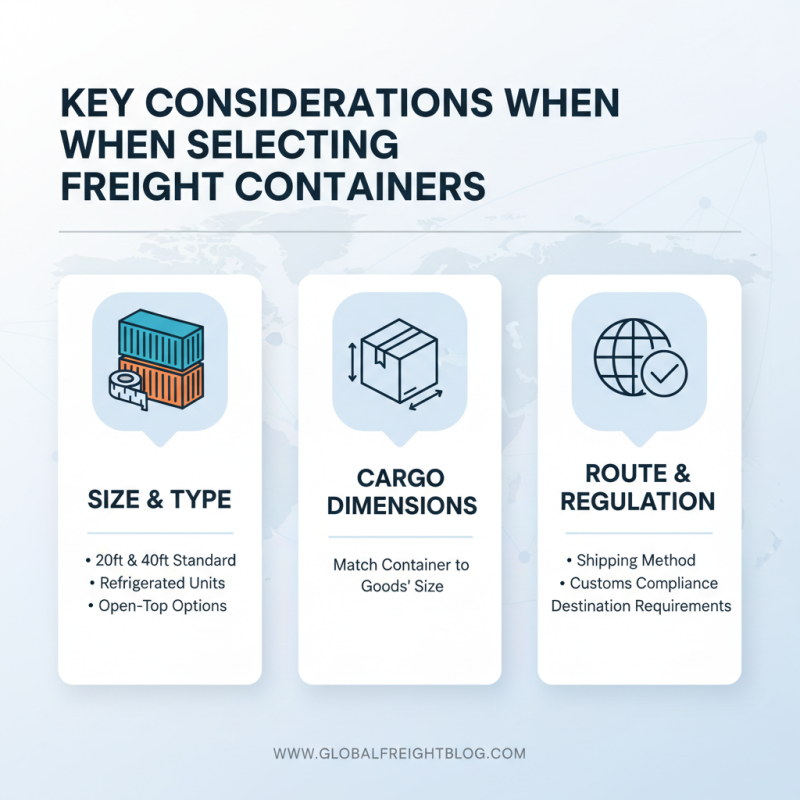
When selecting freight containers, buyers must consider several key factors. The size and type of the container are paramount. Standard containers are available in 20-foot and 40-foot lengths, but specialty containers exist, too. These may include refrigerated units or open-top containers. Knowing your cargo’s dimensions is essential for choosing the right fit.
Condition is another critical consideration. Inspecting the container prior to purchase can prevent future issues. Look for signs of corrosion or damage. A well-maintained container can enhance shipping efficiency and protect cargo. However, there may be hidden defects, so a thorough assessment is crucial.
Cost often drives container selection, but this can lead to oversights. Cheaper options may come with higher risks. Balancing budget with quality is necessary. Establishing relationships with trusted suppliers can provide insights into the best choices available. Relying solely on price might not yield the best outcome. It’s all about weighing the options carefully to meet specific shipping needs.
Comparing New vs. Used Freight Containers for Buyers
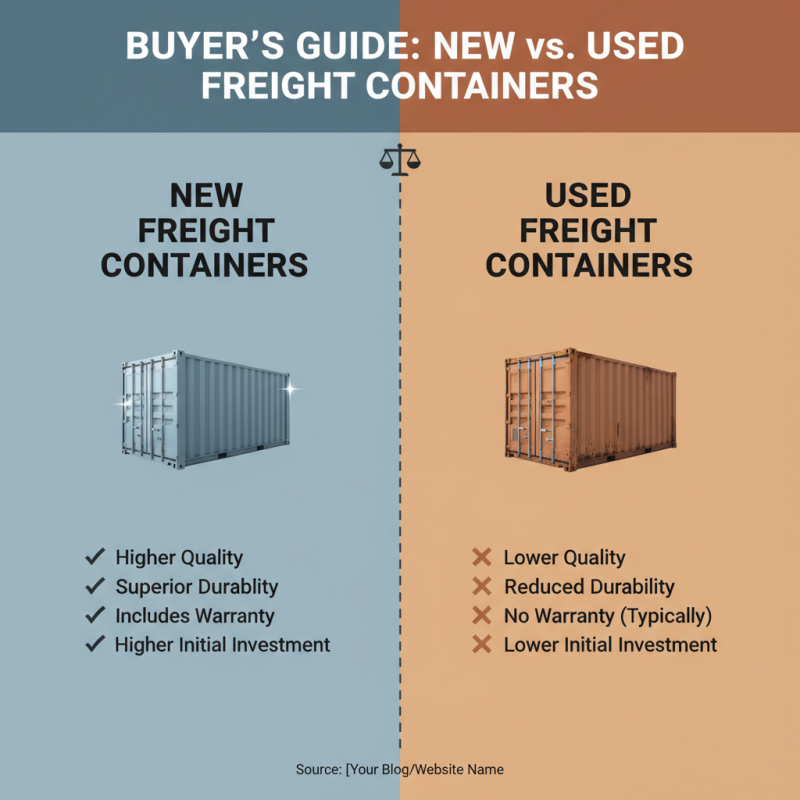
When considering freight containers, buyers often face a choice between new and used options. New containers are ideal for those prioritizing quality and durability. They come with warranties. However, they also demand a higher initial investment.
On the other hand, used containers are more affordable and readily available. According to industry reports, the market for used containers has grown by 15% in the past year. This option provides significant savings, yet it may come with wear and tear. Buyers should be cautious and inspect containers thoroughly before purchasing. Rust, dents, and leakage can affect usability.
Tip: Always ask for detailed photos and documents. This ensures you are aware of the container's condition. Another consideration is transportation. Look for a supplier who helps with logistics to simplify the delivery process.
The decision should reflect the buyer's needs. Used containers are practical and cost-effective, yet buyers must weigh the potential risks. Consider your long-term vision and usage requirements to make an informed choice.
Sustainable Freight Container Options for Eco-Conscious Buyers
As the demand for sustainable practices grows, eco-conscious buyers are seeking greener freight container options. Shipping containers made from recycled materials are increasingly popular. These containers reduce waste in landfills and lower the carbon footprint associated with transportation. They also provide the same durability and functionality as traditional containers, making them a smart choice for environmentally aware companies.
Alternative materials are also emerging in the freight industry. Bamboo and other biodegradable materials are being tested. These options could significantly mitigate environmental impact. However, some challenges remain. The durability and longevity of these materials in harsh shipping conditions are still under evaluation. Buyers should consider these factors before making a commitment.
More companies are investing in energy-efficient practices. Solar-powered shipping containers are also gaining attention. They offer the potential for self-sustaining energy solutions during transport. However, the initial cost can be high. Businesses must weigh long-term benefits against upfront expenses. The pursuit of sustainability in freight shipping continues to evolve, requiring careful consideration and adaptation.
Best Freight Container Options for Global Buyers Today? - Sustainable Freight Container Options for Eco-Conscious Buyers
| Container Type |
Material |
Sustainability Features |
Dimensions (ft) |
Best Use Case |
| Standard ISO Container |
Steel |
Recyclable material, long lifespan |
20, 40 |
General Cargo |
| Reefer Container |
Insulated Steel |
Energy-efficient cooling system |
20, 40 |
Perishable Goods |
| Open Top Container |
Steel |
Detailed design for easy loading |
20, 40 |
High-Stack Cargo |
| Flat Rack Container |
Steel |
Minimized material use, easily stackable |
20, 40 |
Heavy Machinery |
| Bamboo Container |
Bamboo |
Renewable resources, eco-friendly |
10, 20 |
Sustainable Products |
Innovative Technologies in Modern Freight Containers
Modern freight containers are evolving rapidly. Innovative technologies are enhancing their
efficiency and security. Smart containers
with built-in sensors can monitor temperature, humidity, and location in real time. This provides
critical data during transit,
reducing waste and loss.
Blockchain technology is another game changer.
It ensures transparency and accountability throughout the shipping process. Every transaction is
recorded securely, making it harder for fraud to occur. However, the reliance on technology raises
questions about cybersecurity. What happens if systems fail?
Sustainability is also becoming vital. Eco-friendly materials and designs are reducing
environmental impact. These developments are promising but pose challenges in scalability and cost.
The industry must strike a balance between innovation and practicality.